Navigating the Digital Transformation Odyssey: A Lifelong Journey to Organizational Excellence
Content:
- Introduction
- The Consultation Phase
- The Implementation Odyssey
- The Ongoing Maintenance Voyage
- Benefits of a Lifelong Digital Transformation Journey
- Best Practices for a Successful Digital Transformation Odyssey
In the ever-evolving landscape of modern business, digital transformation has emerged as both a necessity and an opportunity.
It's not merely a project or a one-time initiative but rather a lifelong journey that organizations embark on to stay competitive, relevant, and future-ready.
In this blog post, we'll take you on a voyage through the intricate realms of digital transformation, exploring every stage of the process, from inception to ongoing maintenance.
We'll delve deep into the crucial aspects of consulting, planning, implementation, testing, iteration, and ongoing maintenance, shedding light on the challenges, benefits, and best practices that organizations encounter along the way.
By the end of this journey, you'll have a profound understanding of what it takes to navigate the digital transformation odyssey successfully.
Digital transformation has become the defining challenge and opportunity of our era. It's not merely about adopting new technologies or upgrading systems; it's about reimagining business processes, cultures, and customer experiences.
The journey of digital transformation is akin to an odyssey, a voyage filled with trials and tribulations, but one that ultimately leads to organizational growth, innovation, and excellence.
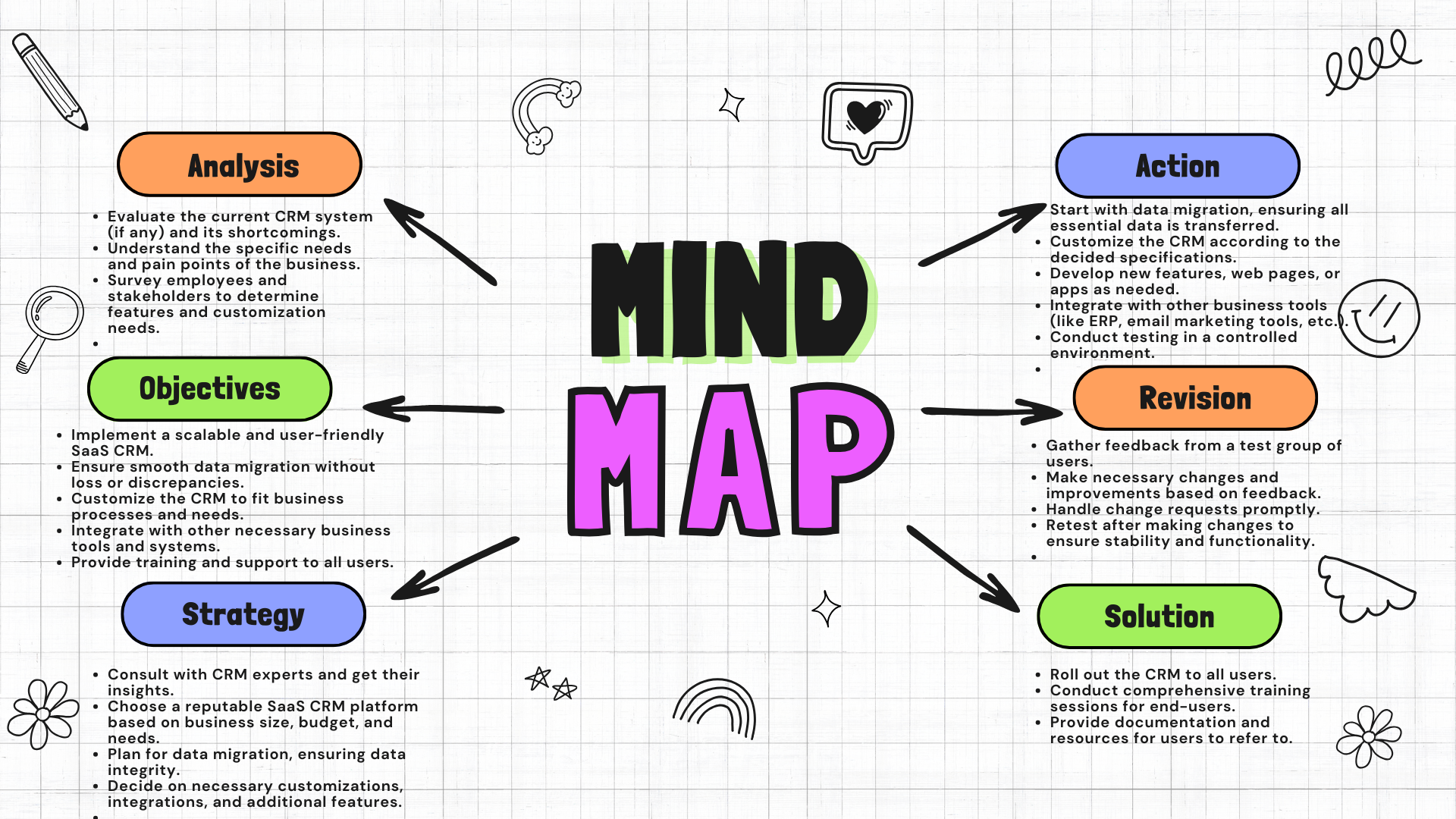
In this blog post, we embark on this transformative odyssey, charting a course through the various stages that organizations must navigate. From the initial consultation and planning phases to implementation, testing, iteration, and ongoing maintenance, each leg of the journey presents unique challenges and opportunities.
By the end of this expedition, you'll be equipped with the knowledge and insights to embark on your organization's digital transformation odyssey, understanding that it's not a destination but a lifelong voyage of adaptation and evolution.

The Digital Transformation Imperative
Why is digital transformation essential? The answer lies in the rapidly evolving business landscape. Organizations that fail to embrace digital transformation risk obsolescence. Customer expectations are constantly rising, and competitors are leveraging technology to meet these demands efficiently.
Furthermore, disruptive technologies like artificial intelligence (AI), the Internet of Things (IoT), and blockchain are reshaping industries. To remain competitive, organizations must harness these technologies to improve operations, enhance customer experiences, and drive innovation.
The Consultation Phase
Short-Term Goals
The digital transformation journey begins with a consultation phase where organizations set short-term, medium-term, and long-term goals. In the short term, focus on quick wins that demonstrate the value of digital transformation.
These might include automating manual processes, implementing data analytics tools, or improving customer self-service options.
Medium-Term Objectives
In the medium term, shift your focus to more substantial improvements. This could involve upgrading core systems, adopting cloud technologies, or reengineering key business processes. These changes lay the foundation for long-term success.
Long-Term Vision
Your long-term vision should encompass bold objectives that leverage emerging technologies. Consider how AI, IoT, and other innovations can revolutionize your industry.
Building partnerships with technology providers and investing in research and development are essential components of realizing this vision.
Gathering the A-Team
Successful digital transformation requires a multidisciplinary team with diverse skills and perspectives.
Your team should include:
-
Executive Leadership: C-suite executives who champion the transformation and allocate resources.
-
Technology Experts: IT professionals who understand the intricacies of the technology landscape.
-
Change Management Specialists: Experts in managing cultural and organizational change.
-
Data Scientists and Analysts: Professionals who can derive insights from data.
-
User Experience (UX) Designers: Experts in creating intuitive, user-friendly interfaces.
-
Project Managers: Skilled in orchestrating complex transformations.
The Implementation Odyssey
Once you've set your goals and assembled your team, it's time to set sail on the implementation odyssey.
This involves executing your digital transformation initiatives, which could include:
-
Upgrading Legacy Systems: Replacing outdated systems with modern, integrated solutions.
-
Cloud Migration: Shifting to cloud-based infrastructure and services for scalability and flexibility.
-
Process Automation: Automating repetitive tasks to improve efficiency.
-
Customer Experience Enhancement: Implementing tools and strategies to deliver exceptional customer experiences.
-
Data Strategy: Developing a comprehensive data strategy to harness the power of data.
-
Security Enhancements: Bolstering cybersecurity measures to protect digital assets.
Navigating the Testing Waters
As you implement digital transformation initiatives, rigorous testing is crucial.
This involves various stages:
The Role of User Testing
Engage end-users in the testing process to ensure that the new systems and processes meet their needs. User feedback is invaluable for identifying usability issues and making necessary adjustments.
Addressing Change Requests
During testing, expect change requests as users and stakeholders encounter issues or suggest improvements. It's essential to have a streamlined change request process in place to evaluate and prioritize these requests.
From Fixing to Updating: The Iteration Dance
Digital transformation is not a one-and-done endeavor; it's an ongoing process of iteration and improvement. Organizations must foster a culture of continuous improvement to stay agile and responsive to changing market dynamics.
Here's how to embrace this philosophy:
Continuous Improvement Culture
Encourage employees at all levels to identify opportunities for improvement. Establish regular forums for brainstorming and sharing ideas. Recognize and reward innovative contributions to foster a culture of continuous improvement.
Staying Agile and Adaptable
Adopt agile methodologies that allow for flexibility and rapid adjustments. Break down large transformation projects into smaller, manageable sprints. This approach enables you to respond swiftly to changing requirements and market conditions.
Sailing to the Go-Live Horizon
After rigorous testing, when your digital transformation initiatives are mature and stable, it's time to set sail toward the go-live horizon. This marks the point at which your transformed processes and systems are put into production.
But going live isn't the end; it's a new beginning. It's the culmination of months or even years of hard work and signifies the start of reaping the benefits of your digital transformation efforts.
The Ongoing Maintenance Voyage
While the go-live milestone is significant, it's essential to understand that digital transformation is an ongoing voyage. Your systems and processes will require continuous maintenance and updates to remain effective.
Here are some key aspects to consider:
Keeping Up with Features
Software and technology platforms continually evolve, introducing new features and capabilities. Stay informed about these updates and assess how they can benefit your organization. Implement new features that align with your digital transformation goals.
Fortifying Security
As cyber threats evolve, your organization must continually bolster its cybersecurity measures. Conduct regular security audits, apply patches and updates promptly, and educate employees about security best practices.
Compliance and Regulations
Laws and regulations governing data privacy, cybersecurity, and industry-specific standards change over time. Stay compliant by monitoring legal developments and adapting your processes accordingly.
Underlying Technology Upgrades
The technology stack supporting your digital transformation initiatives will also require periodic upgrades. For example, operating systems, databases, and hardware may become obsolete, necessitating migration to newer solutions.
Benefits of a Lifelong Digital Transformation Journey
A lifelong commitment to digital transformation yields numerous benefits that go beyond short-term gains.
Here are some of the rewards organizations can expect:
Competitive Advantage
By continually adopting the latest technologies and refining processes, organizations gain a competitive edge. They can respond more quickly to market changes and customer demands, outpacing competitors.
Enhanced Agility
An ongoing digital transformation journey cultivates an agile mindset within the organization. Teams become more adaptable, making it easier to pivot in response to unexpected challenges or opportunities.
Improved Customer Experiences
As organizations continually enhance their digital capabilities, they can offer customers increasingly seamless and personalized experiences. This fosters loyalty and drives customer satisfaction.
Data-Driven Decision Making
A commitment to data management and analytics ensures that organizations make decisions based on evidence rather than intuition. This leads to more informed, strategic choices.

Future-Proofing
The digital landscape will continue to evolve. Organizations on a lifelong digital transformation journey are better equipped to anticipate and adapt to future changes, ensuring their long-term viability.
Challenges Along the Way
While the benefits of a lifelong digital transformation journey are enticing, it's essential to acknowledge and address the challenges that come with it. Here are some common obstacles:
Resistance to Change
Change can be met with resistance from employees who are comfortable with existing processes. Effective change management strategies are crucial to mitigate this challenge.
Budget Constraints
Sustaining a lifelong digital transformation journey requires ongoing financial investments. Organizations must allocate budgets for system updates, training, and technology acquisitions.
Talent Shortage
The demand for technology talent often outpaces supply. Organizations may struggle to attract and retain skilled professionals to drive digital transformation initiatives.
Integration Complexities
As new technologies are adopted, ensuring seamless integration with existing systems can be complex. Integration challenges may slow down transformation efforts.
Scalability Challenges
As organizations grow, their digital infrastructure must scale to accommodate increased data and user demands. Scalability challenges can arise if systems were not designed with growth in mind.
Best Practices for a Successful Digital Transformation Odyssey
To navigate the digital transformation odyssey successfully, consider these best practices:
Executive Buy-In
Engage top leadership early and ensure their commitment to the journey. Leadership support is critical for securing the necessary resources and driving cultural change.
Clear Communication
Maintain transparent communication throughout the transformation journey. Keep all stakeholders informed about progress, challenges, and successes.

Agile Methodology
Adopt agile methodologies to promote flexibility and adaptability. Break down large projects into manageable sprints and involve end-users in development.
User-Centric Approach
Prioritize the needs and experiences of end-users. Involve them in the design and testing of new systems and processes to ensure they meet user expectations.
Robust Data Management
Invest in data governance and management practices to ensure data quality and security. A well-structured data strategy is essential for deriving insights and making informed decisions.
The digital transformation journey is an odyssey filled with challenges and opportunities. It begins with consultation, planning, and the assembly of a talented team.
Implementation, testing, and ongoing iteration follow, leading to the go-live horizon. However, digital transformation is not a destination; it's a lifelong voyage of maintenance and upgrades.
Organizations that commit to this journey stand to gain a competitive advantage, enhanced agility, improved customer experiences, data-driven decision-making capabilities, and future-proofing against evolving technologies.
While challenges such as resistance to change, budget constraints, and talent shortages may arise, best practices like securing executive buy-in, maintaining clear communication, adopting agile methodologies, prioritizing user-centric approaches, and investing in robust data management can pave the way for success.
Ultimately, the digital transformation odyssey is not just about technology—it's about reshaping organizations to thrive in an ever-changing digital landscape, driving innovation, and delivering exceptional value to customers and stakeholders.
As you embark on this journey, remember that it's not a solitary endeavor; it's a collective voyage that requires teamwork, adaptability, and a commitment to lifelong improvement.
Safe travels on your digital transformation odyssey!
Please reach out to us with your specific requests for an AI app and we can make it a reality.